Leftover packaging foam is often overlooked once its original purpose is fulfilled, yet its material properties make it highly suitable for reuse. Designed to be lightweight, flexible, and impact-resistant, packing foam is not always accepted in standard municipal recycling programs. However, these same characteristics—cushioning, ease of cutting, and structural versatility—make it an excellent candidate for a wide range of do-it-yourself applications. Repurposing foam instead of discarding it helps reduce waste while extending the material’s functional lifespan in practical and creative ways.
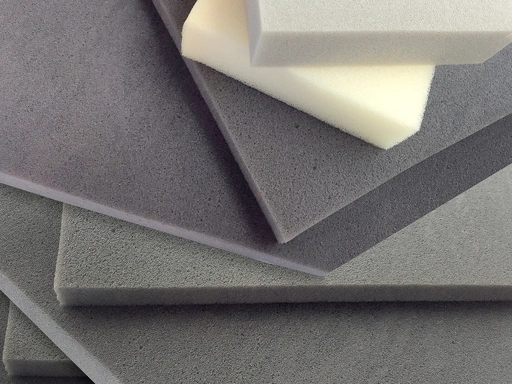
Why Packing Foam Is Ideal for Reuse
Packing foam is engineered to absorb shock and protect items during transit, which means it maintains its integrity even after initial use. Unlike more rigid materials, foam can be easily cut, shaped, and modified without specialized tools. Its lightweight composition also makes it easy to handle and install in various projects. Because of these qualities, leftover foam can transition seamlessly from protective packaging to functional household or craft material with minimal effort.
Creating Custom Foam Stamps
One of the most accessible ways to reuse packing foam is by transforming it into custom stamps. The material’s smooth yet slightly porous surface allows it to absorb and transfer paint or ink effectively. By cutting foam into shapes such as letters, patterns, or simple icons, users can create reusable stamps for decorating paper, cardboard, or fabric surfaces. Attaching the cut foam to a stable backing, such as a wooden block or cork, improves control and consistency during use. This application is particularly useful for crafting greeting cards, personalizing wrapping paper, or producing repeated design elements in art projects. Because foam is inexpensive and easy to shape, multiple designs can be created quickly without requiring specialized equipment.
Building Lightweight Foam Planters
Packing foam can also serve as a structural base for decorative planters. Its lightweight nature makes it especially useful for small-scale indoor displays where weight is a consideration. Foam can be cut into a variety of shapes and wrapped or coated with decorative materials such as fabric, paper, or paintable finishes.
To ensure functionality, drainage holes should be incorporated to prevent water accumulation. While foam planters are best suited for artificial plants or low-moisture applications, they offer a practical way to reuse materials while creating visually appealing décor for desks, shelves, or window areas.
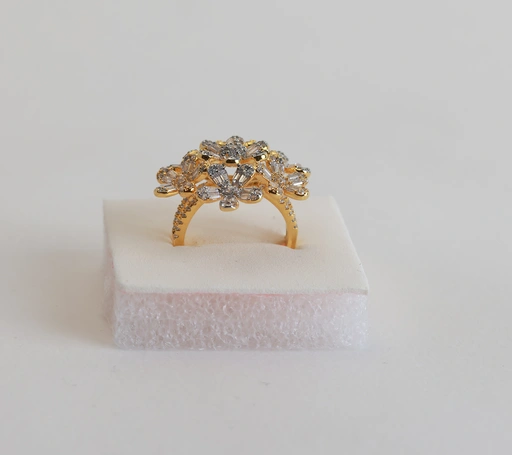
Organizing Jewelry with Foam Inserts
The soft yet supportive structure of packing foam makes it well-suited for organizing delicate items such as jewelry. Foam sheets can be trimmed to fit drawers or storage containers, then modified with small cuts or punctures to securely hold rings, earrings, and necklaces. Covering the foam with fabric enhances both durability and appearance while providing an added layer of protection against scratches. This approach creates a simple, customizable organization system that keeps items separated, visible, and easily accessible without the need for expensive storage solutions.
Designing Foam Picture Frames
Foam picture frames provide a straightforward and adaptable reuse option, particularly for craft settings. The material can be cut to match specific photo dimensions and decorated using paint, markers, or additional embellishments. A backing or support structure can then be added to hold the photo securely in place. Due to its lightweight composition, foam frames can be displayed on flat surfaces or mounted using removable adhesive strips. This makes them especially practical for temporary displays, classroom projects, or seasonal décor where flexibility and ease of installation are important.
Making Safe, Lightweight Toys
Packing foam’s cushioning properties make it a suitable material for creating soft, lightweight toys. Shapes can be cut into letters, numbers, animals, or building components, supporting both imaginative play and educational activities. Because the material reduces impact risk, it is a safer option for supervised use in children’s environments. Additional customization can be achieved with non-toxic paints, fabric coverings, or adhesive decorations. These foam-based toys offer a practical way to reuse materials while supporting interactive and creative play.
Repurposing Foam for Cushions and Pillows
Larger sections of packing foam can be reused as filling for cushions, floor pillows, or pet bedding. The foam can be layered or trimmed to achieve the desired shape and thickness, then enclosed within a fabric cover using sewing or adhesive methods. While packing foam does not typically replace high-density foam in load-bearing seating applications, it performs well in decorative or light-use scenarios. This approach provides a cost-effective solution for creating comfortable, functional items without purchasing new materials.
Creating Decorative Wall Art
Foam’s ability to maintain its shape makes it an effective base for decorative wall applications. Pieces can be cut into geometric or abstract forms, painted, and arranged into custom designs. Because foam is lightweight, it can be mounted easily and repositioned as needed without damaging surfaces. This flexibility makes it ideal for temporary installations, seasonal décor changes, or creative displays in homes, classrooms, or office environments. It demonstrates how foam can be repurposed not only functionally but also aesthetically.
Crafting Functional Foam Coasters
Packing foam can also be converted into practical household items such as coasters. By cutting the foam into uniform shapes and covering it with fabric or decorative paper, users can create simple surface protectors for tables and desks. Adding a protective top layer and a non-slip backing enhances durability and usability. This application highlights how even small pieces of leftover foam can be repurposed into functional, everyday items with minimal effort.
Extending the Life of Packing Foam Through Reuse
Foam for packaging is designed for durability, protection, and versatility—qualities that extend well beyond its initial use in shipping applications. By repurposing leftover foam into practical or decorative items, it is possible to reduce material waste while maximizing its value.
With basic tools and minimal preparation, packing foam can be adapted for a wide variety of uses across home, classroom, and office settings. Rather than viewing it as disposable, recognizing its potential for reuse allows you to make more efficient, sustainable use of the materials already on hand.