

When selecting foam mattress toppers, two of the most widely used materials are memory foam and egg crate foam. While both are designed to enhance comfort and extend the life of a mattress, they differ significantly in structure, performance, and ideal use cases. Understanding how each material functions—and where each excels—can help you choose the option best suited to your sleep preferences and support needs.
Understanding Memory Foam Construction and Performance
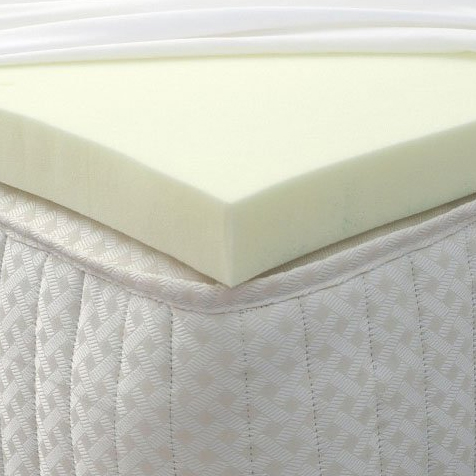
Memory foam, also known as viscoelastic foam, is a polyurethane-based material engineered to respond to both pressure and temperature. When weight is applied, the foam softens and conforms closely to the shape of the body. Once pressure is removed, it gradually returns to its original form.
This responsive behavior is what defines memory foam’s performance. By contouring to the body, it distributes weight evenly across the surface, reducing pressure points and promoting more consistent support. This makes it a common choice for mattress toppers designed to improve comfort without replacing the entire mattress.
Key Advantages of Memory Foam Toppers
Memory foam mattress toppers are widely used because of their ability to deliver targeted pressure relief. By conforming to areas such as the shoulders, hips, and lower back, the material helps reduce strain on joints and minimizes discomfort during sleep. This can be especially beneficial for individuals experiencing chronic pain or stiffness.
In addition to pressure relief, memory foam supports proper spinal alignment by adapting to the body’s natural curves. This alignment helps reduce the likelihood of waking with back or joint pain. Another key performance feature is motion isolation. Because memory foam absorbs movement rather than transferring it, it is well-suited for shared sleeping environments where minimizing disturbance is important.
Many memory foam toppers are also available in hypoallergenic and low-VOC formulations, making them a viable option for users seeking cleaner or more environmentally conscious materials.
Understanding Egg Crate Foam Design and Function
Egg crate foam, also referred to as convoluted foam, is characterized by its textured surface made up of peaks and valleys. This design resembles an egg carton, which is where the material gets its name. Unlike solid foam sheets, the convoluted structure creates variable support zones across the surface. Egg crate foam can be manufactured from either polyurethane foam or memory foam, though it is most commonly produced using conventional poly foam. The primary purpose of the convoluted design is to enhance airflow and provide a lighter, more breathable cushioning layer.
Key Advantages of Egg Crate Foam Toppers
One of the primary benefits of egg crate mattress toppers is improved airflow. The peaks and valleys allow air to circulate more freely compared to flat foam surfaces, helping regulate temperature and reduce heat retention. This makes egg crate foam a strong option for individuals who tend to sleep warm. The textured design also provides moderate pressure relief by allowing the body to sink into the foam’s contours. While it does not contour as precisely as memory foam, it can still help alleviate minor pressure points and improve overall comfort.
Another advantage of egg crate foam is its cost-effectiveness. Due to its material composition and manufacturing process, it is typically more affordable than memory foam. This makes it an accessible option for users looking to enhance comfort without a significant investment.
Comparing Performance and Use Cases
When comparing memory foam and egg crate foam, the primary differences come down to contouring ability, airflow, and cost. Memory foam offers superior body conformity, making it ideal for users who require consistent support and pressure relief over extended periods. Its ability to isolate motion also makes it well-suited for couples.
Egg crate foam, on the other hand, prioritizes breathability and affordability. Its open, textured design promotes airflow and can help maintain a cooler sleep surface. While it provides some cushioning, it is generally better suited for light comfort adjustments rather than intensive support needs.
Choosing the Right Mattress Topper for Your Needs
The best mattress topper ultimately depends on your specific sleep preferences and priorities. If you are seeking long-term pressure relief, improved spinal alignment, and reduced motion transfer, memory foam is typically the more effective solution. Its ability to conform closely to the body makes it particularly beneficial for individuals with joint or back discomfort. If temperature regulation and cost are your primary concerns, egg crate foam may be the better choice. Its breathable structure helps dissipate heat, and its lower price point makes it a practical option for budget-conscious upgrades or temporary use.
Making a More Informed Decision
Both memory foam and egg crate foam toppers offer distinct advantages, and neither is universally better than the other. Instead, each material is optimized for different performance priorities. By understanding how these foams differ in structure and function, you can select a topper that aligns with your comfort preferences, sleeping habits, and long-term expectations.



Do you deliver to Alberta Canada?
Hello,
Yes, we do ship to Canada below is the link to our Canadian website.
Foam Factory, Inc. – Canada
Shipping is free for any order over $100.00, if the order is under that amount then shipping would be $19.99 for zones 1-5. Zone 6 will be an extra shipment cost.
Canadian prices are higher than on our USA websites because we add customs, duties and broker fees across the border to the cost of foam, this way you don’t need to pay for anything when you receive the foam.
All shipments originate from the US, with pickups from the US to Canada made once a week. After we receive your order, processing typically takes about 3 to 15 business days. Shipping typically takes 5 to 6 business days via FedEx Ground. Made to order items and custom orders take about 5 to 15 business days for processing.
Please let me know if you have any other questions!
Thank you for all that information. I want to buy 8 to 10 cm memory foam to make the toppers that go over my custom made cushions that I lay on because I have extensive damage to my spine and hips which prevent me from sitting or laying. It must be very very soft.
Hello,
Thank you for reaching out to The Foam Factory via our blog.
Per your question, if you are looking for a soft topper than the memory foam will provide this!
FAQ About Memory Foam:
Which density should I get?
3LB ViscoSaver White: Suggested for people who want the benefits of memory foam at an economical price.
4LB ViscoPLUSH Blue: Suggested for people who want high quality memory foam at a great price.
5LB ViscoMAX Pink: Suggested for people who want the highest quality memory foam at a competitive price. (Similar in quality to Tempur-Pedic’s Memory Foam.)
Which thickness should I get?
2 Inch: Suggested for people who sleep on their stomach or are looking for the most inexpensive, yet effective memory foam pad. Because more weight is located on the front of the body than the back, stomach sleepers tend to have lower back issues due to mattresses supporting and cradling to their torso. This can flex the back out of position due to the difference in body weight distribution and shape. Any pad thicker than 2 inches will most likely not help their condition.
3 Inch: Suggested for side, back or combination sleepers, excluding stomach sleepers. This is the thickness TempurPedic uses for their mattresses, and is the standard for most memory foam mattresses. A 3 inch memory pad will provide the perfect balance of contour molding and support capabilities.
4 Inch: Also suggested for side, back or combination sleepers, excluding stomach sleepers. This thickness will feel softer, as there is more material to settle into, providing more pressure relief than the 2 or 3 inch pad.
3lb White – the firmest memory foam option, but is not hard in any way. This is considered firm or a medium overall feel because it has the nice, slow, comfortable give that a memory foam should have and is known for but lacks the contouring ability so it does not form around you as you lay in it. This is good for those who do not like a “hugging” topper while they sleep.
4lb Blue – the middle ground topper; this foam is softer than the 3lb and has some contouring abilities – it will curve around your shape but not fully hug like a perfect fit. You still have the slow sink but with an added softness to the feel of the material and it will cradle you as you sink into it.
5lb Pink – the ultra-soft topper; This topper is best described as a giant marshmallow! It is so plush that it full hugs you as you lay in it and gloves to your body. This topper is meant for you to fully sink into and nest in the middle. At 4” thick this material does get a little difficult to roll out of on the account it contours so well.
Foam samples are available! Check out our website for some 8” x 8” foam sample kits that are available for purchase, see here: Residential Foam Samples