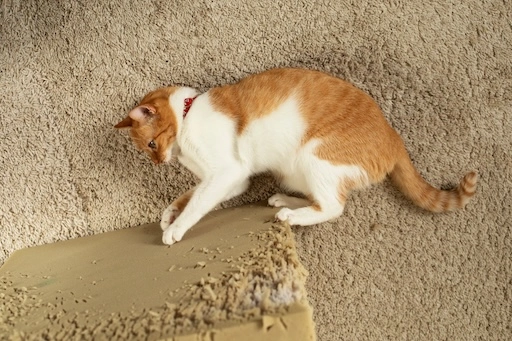
Is household foam safe for pets to eat? After all, one of the most common materials pets encounter in modern homes is foam. Foam is used extensively across residential, commercial, and packaging applications, making accidental exposure highly likely. Mattresses, couch cushions, pillows, pet beds, pet toys, children’s toys, furniture padding, insulation, packaging inserts, disposable products, and shipping materials all commonly contain some form of foam. Because of this widespread use, pet owners should understand not only that foam is accessible, but also how different foam types behave inside the body when ingested.
Understanding What Foam Is Made Of
Foam is a polymer-based material chemically related to plastics. While foam is not inherently toxic in small quantities, it is not biologically digestible and poses significant mechanical and physical risks to animals. The danger is not primarily chemical poisoning—it is obstruction, compression, expansion, and airway compromise. In most household environments, foam products fall into three primary material categories: polyurethane, polyethylene, and polystyrene. Each of these materials behaves differently under moisture, heat, pressure, and digestion, which directly impacts the level of risk to pets.
Why Foam Ingestion Is Dangerous
When foam enters an animal’s body, it does not break down like organic material. Instead, it maintains structural integrity, absorbs moisture, and can change shape or volume. This creates multiple risk pathways, including choking, intestinal blockage, airway obstruction, digestive expansion, internal abrasion, and aspiration into the lungs. Small fragments may pass naturally, but larger or denser pieces can compact into solid masses that obstruct the gastrointestinal tract. Inhaled foam particles introduce respiratory risks that can escalate rapidly and unpredictably.
From a materials safety perspective, foam ingestion is best classified as a mechanical hazard, not a chemical one. The physical structure of the material is the primary threat, not its chemical composition.
Polyurethane Foam: Soft Structure, High Expansion Risk
Polyurethane foam is the most common foam found in homes. It is widely used in mattresses, memory foam mattress toppers, couch cushions, upholstered furniture, pet beds, shoes, and comfort padding. Its soft, compressible nature makes it attractive to pets and easy to tear into small pieces.
Once ingested, polyurethane foam absorbs moisture and stomach acids, causing it to expand. This expansion significantly increases the risk of gastrointestinal obstruction. Small amounts may pass naturally, but moderate to large volumes often require veterinary intervention. The danger is not immediate toxicity. It is a delayed blockage, which can become life-threatening if untreated.
Polyethylene Foam: Dense Structure, High Obstruction Risk
Polyethylene foam is denser and more rigid than polyurethane. It is commonly used for insulation, protective packaging, automotive components, structural cushioning, and rigid padding. Because of its density and low compressibility, polyethylene foam is far less likely to break apart in the digestive system. When ingested, this type of foam presents a high blockage risk. Its rigidity makes natural passage through the digestive tract unlikely, especially in smaller animals. Veterinary imaging and medical intervention are commonly required in ingestion cases involving polyethylene foam due to the high probability of obstruction.
Polystyrene Foam: Fragmentation and Airway Risk
Polystyrene foam, commonly known as Styrofoam, is widely used in disposable cups, plates, food containers, insulation panels, and packaging materials. Its structure consists of small bonded beads, which easily fragment when chewed. This fragmentation creates multiple risks. Small particles can line the throat, lodge in the airway, or be inhaled into the respiratory tract. Ingestion can also lead to esophageal irritation and digestive tract abrasion. Polystyrene poses both digestive and respiratory dangers, making it particularly hazardous for small animals and birds.
What to Do If Your Pet Eats Foam
Any suspected foam ingestion should be treated as a veterinary concern. Immediate professional guidance is always recommended, even if symptoms appear mild. Risk evaluation depends on the foam type, amount ingested, animal size, and species. Symptoms such as vomiting, lethargy, coughing, breathing changes, abdominal discomfort, or appetite loss indicate the need for urgent care. Delayed complications are common with foam ingestion, making early assessment critical for successful outcomes.
Foam Is a Mechanical Hazard, Not a Safe Material
Foam is not digestible, not biologically compatible with animal systems, and not safe for ingestion. Its risks stem from physical structure, not chemical toxicity. Obstruction, expansion, airway compromise, and delayed digestive complications make foam ingestion a serious safety concern across all pet species.
From a material safety standpoint, foam products should be treated as non-consumable mechanical hazards in any pet-accessible environment. Prevention, structural controls, and informed response protocols are the most effective protection strategies. Foam is engineered for human comfort and packaging efficiency, not biological safety. Responsible pet ownership requires recognizing that distinction and managing material exposure accordingly.