When it comes to protecting valuable, sensitive, or fragile items, packaging quality is not a luxury – it’s a necessity. Whether you’re shipping delicate instruments, storing precision tools, transporting electronics, or displaying collectibles, improper protection can lead to damage, loss of functionality, or costly replacements. This is where custom foam inserts provide a technical, reliable, and highly effective solution.
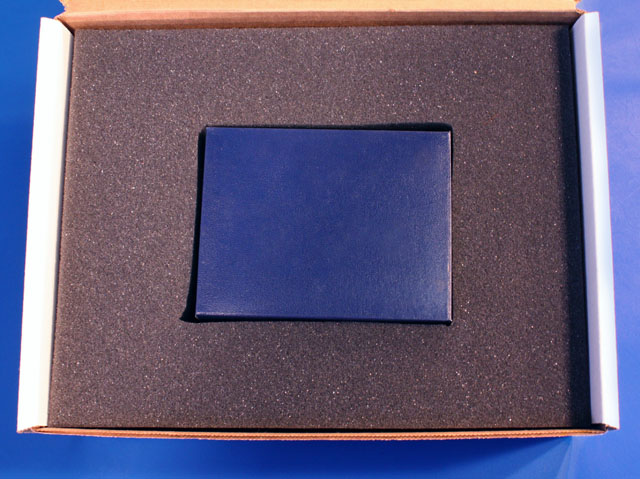
Custom protective foam inserts are engineered to cushion, stabilize, and immobilize products within their containers. Unlike generic packaging materials, they are designed around the exact shape, weight, and fragility of the item being protected. This creates a controlled environment that minimizes movement, absorbs shock, and distributes force evenly during handling, transport, or long-term storage.
Why Custom Foam Inserts Matter
Standard packaging materials like loose fill, bubble wrap, and generic padding provide limited protection because they allow shifting, compression inconsistencies, and uneven load distribution. Custom foam inserts eliminate these variables by creating form-fitted protection that holds each item in a fixed position. From an engineering perspective, this reduces impact energy transfer, limits vibration exposure, and prevents friction damage between components. The result is consistent protection regardless of orientation, handling conditions, or transport method. This level of control is especially critical for high-value items, fragile components, and precision equipment.
Engineered for Cushioning and Stability
Custom foam inserts are manufactured to both absorb impact energy and provide structural stability. The foam compresses under force, dissipating shock, while maintaining enough rigidity to prevent collapse or bottoming out. This balance between softness and structural resistance is what makes foam uniquely effective for protective applications. By tailoring foam density and thickness to the weight and fragility of each item, inserts can be engineered to provide the exact level of protection required—no more, no less. This precision approach prevents over-compression for heavy items and under-support for lightweight components.
Foam Types and Density Selection
Different applications require different foam properties. Custom foam inserts can be produced using a variety of foam types and densities, allowing protection systems to be built around specific performance requirements. Softer foams provide high cushioning for delicate items, while denser foams offer rigid support for heavier tools and equipment. This flexibility allows inserts to be optimized for electronics, medical devices, instruments, mechanical components, collectibles, and specialty tools. Each foam type offers different compression behavior, energy absorption characteristics, and durability profiles, making material selection a critical part of the design process.
Applications Across Industries
Custom foam inserts are used across a wide range of industries and environments. In shipping, they prevent impact damage and vibration fatigue. In storage, they protect against shifting, abrasion, and long-term compression stress. In display environments, they provide clean presentation, structural support, and secure positioning. They are commonly used for delicate instruments, electronics, industrial tools, photographic equipment, firearms, collectibles, medical devices, and precision components. In each case, the goal is the same: immobilize the item, cushion external forces, and prevent material contact damage.
Tips for Designing Custom Protective Foam Inserts
Effective foam insert design starts with accurate measurements and clear functional goals. Understanding the item’s weight, fragility, and handling conditions determines foam type, density, and thickness. Cutout geometry should support the item’s structure while avoiding pressure points on sensitive components. Multi-layer designs can be used for added shock absorption and load distribution, while finger cutouts and access channels improve usability. Design should always account for compression behavior, not just shape. Foam must support the item without excessive deformation under load.
A Smarter Approach to Protection
Custom foam inserts are not just packaging—they are engineered protection systems. They combine material science, structural design, and precision manufacturing to create reliable, repeatable protection for valuable assets. By securing products during shipping, storage, or display, they reduce damage risk, improve longevity, and protect investment value.
Foam by Mail manufactures custom foam inserts designed around your exact needs. By selecting the appropriate foam type, density, and design configuration, each insert is built to deliver the ideal balance of cushioning and stability. The result is a protective solution that ensures your items arrive in perfect condition—every time. Shop our selection of custom cut foam products today!