

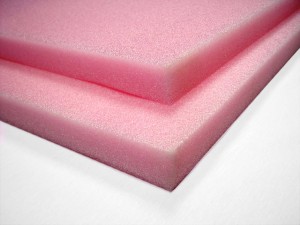
At the heart of material strength lies the intricate web of molecular bonds, particularly evident in the realm of plastics and foams. Here, polymers, made up of interconnected repeating molecular units, weave the foundation of diverse materials like polyurethane and cross-linked polyethylene foam. These polymers play a pivotal role in shaping the strength and characteristics of the final material, determining its flexibility, load-bearing capacity, and resilience to pressure. Today, we’ll be exploring the differences and characteristics of cross-linked foam.
Understanding Cross-Links: Chemical vs. Physical
In the world of polymer foams, the influence of two distinct cross-links, chemical and physical, leaves a permanent mark on material properties. Chemical cross-links, sparked by external forces like heat, pressure, or catalytic additives, force molecules into bonding, creating formidable materials with extraordinary strength and durability. This method yields robust structures that defy easy breakdown.
On the flip side, physical cross-links, though less potent, offer versatility through a more fluid bonding process. Occurring without external additives, these links provide consistency, minimizing batch-to-batch variations. Additionally, the ease with which physical cross-links can be broken facilitates greater potential for material reusability.
Tailoring Materials to Specific Applications
The divergent nature of chemically and physically cross-linked products tailors them to specific applications. Chemically cross-linked foams feature fine-celled structures, epitomizing toughness and longevity, as seen in materials like cross-linked polyethylene foam and foam rubber. While their rough exterior may lack aesthetic appeal, it enhances resistance to damage and makes them suitable for outdoor or marine use. In contrast, physically cross-linked products, with smoother finishes and fine-cell structures, offer flexibility. Ideal for detail-oriented applications, these materials can be cleanly cut into thin foam sheets and are easily recyclable due to their less rigid bonds.
Enhancing Efficiency with Cross-Linked Materials
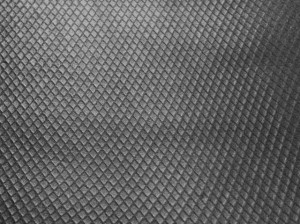
Both forms of cross-linking contribute to the creation of highly efficient materials. Their low thermal transmission renders them effective insulators, and their buoyancy makes them valuable for various applications. The closed-cell structure of these foams, characterized by fine cells, positions them as exceptional shock-absorbing products, perfect for safeguarding delicate items during packaging and storage. Additives like Anti-Static compounds enhance their utility, making them secure choices for packaging sensitive electronics.
Foam by Mail’s Offerings: A Testament to Chemical Cross-Linking
Our chemically cross-linked foams, including cross-linked polyethylene foam (XLPE), polyethylene roll foam, and cross-link polyethylene, epitomize the transformative potential of chemical cross-linking in foam fabrication. These materials exemplify unparalleled strength, durability, and versatility, making them indispensable solutions across diverse applications. From insulation to packaging and automotive components, our cross-linked foam showcases the meticulous engineering and resilience born from molecular bonds, empowering customers to tackle any challenge with confidence and precision.



Hi do you sell Crosslink Foam. For Gym or trampoline?
What would be more bouyant, XLPE or PE foam?
Yes we do sell that foam type. Link to that foam type is here: cross linked polyethylene foam.
This question depends more on the density of the foam and less on the foam type. For example, a foam that is a 2lb density will be more buoyant than a foam that is a 9lb density. Our 2LB density foams would be rated a a buoyancy of 55 pounds per cubic foam of foam used.